After becoming an independent company separate from its parent, Orfer Services Oy urgently needed its own ERP system. The company chose Odoo ERP. Following the switch, the time needed to complete its critical invoicing process fell from three days to just three hours.
A maze of legacy systems could no longer support the new and growing service business
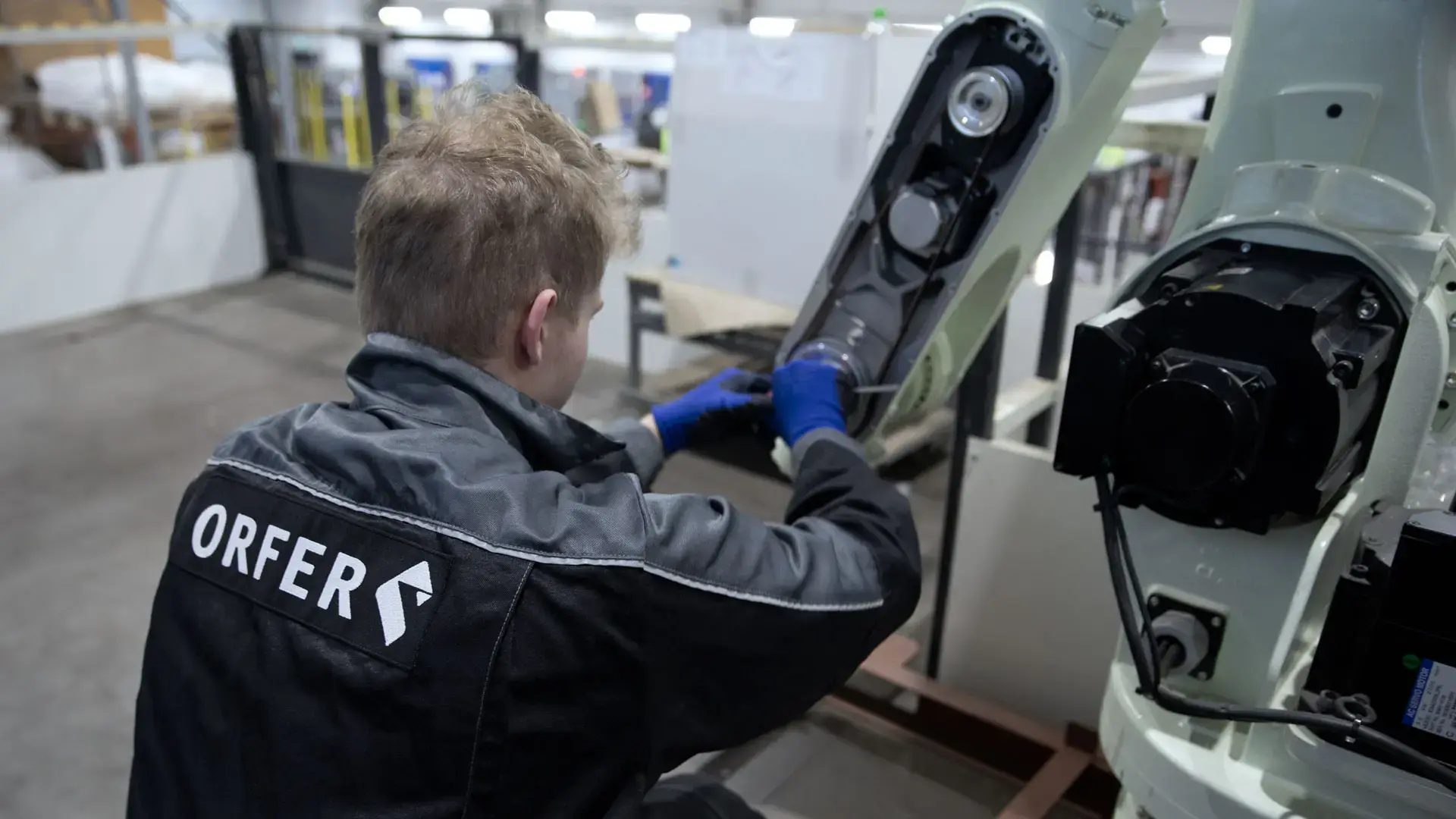
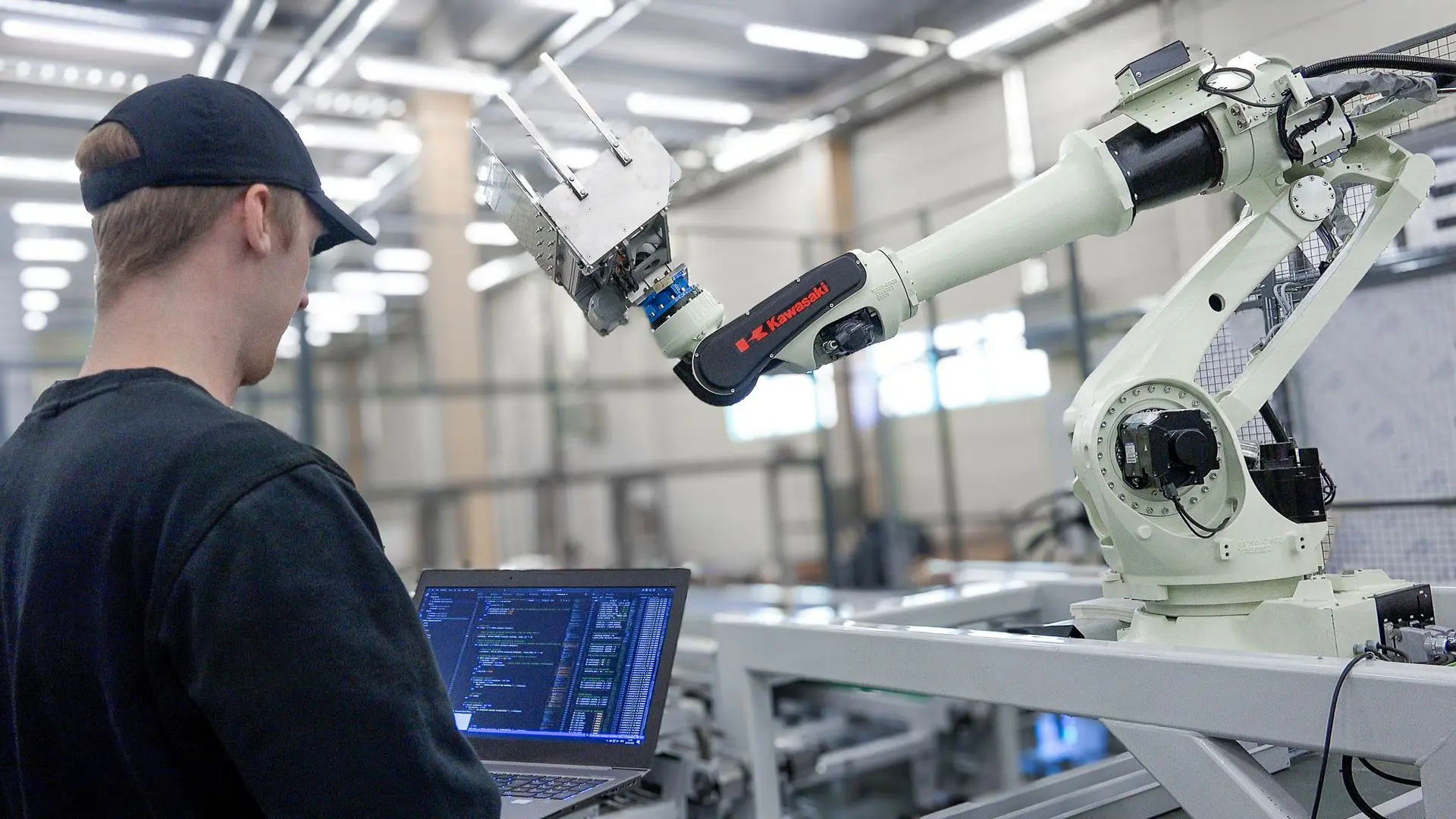
Orfer Services Oy provides global after-sales support, maintenance, spare parts sales and equipment modernisation for robotics and automation systems in the packaging industry.
When the service business became a separate company in November 2024, finding a new system became a priority.
The previous ERP system had been built primarily to support project-based operations and was not well suited to the needs of a service business.
Day-to-day operations required a large number of separate tools and Excel spreadsheets alongside the ERP. It was clear that the new maintenance and service business needed a system of its own.
Why was Odoo ERP chosen as the platform for the service business?
The search for a new system was already well underway when Orfer’s IT team came across Odoo and began exploring it as an option. Odoo entered the comparison as a dark horse, just as the selection process was nearing its end.
Why did they choose Odoo?
- Industry fit: Odoo was an excellent match for the needs of both service and project-based businesses, without extensive customisation.
- Modular structure: Odoo can easily be expanded as the business evolves.
- Long-term confidence: Odoo’s large user base and ongoing development gave the company confidence that the technology was here to stay.
A demanding timeline called for bold decisions
Expiring licences and the requirements of becoming a separate company meant an almost unrealistically tight deadline. Matti Muikku, Business Director at Orfer Services, describes the implementation as moving at “what might be a Finnish record pace”. This demanding timeline meant keeping the project strictly focused on an MVP (Minimum Viable Product).
Even some appealing modules were left out of the first phase, with plans to introduce them later. Led by SprintIT’s Project Manager Henri Komulainen and delivered in close collaboration with Orfer’s team, the MVP project was completed in eight weeks and within the agreed tight budget.
The strong commitment of Orfer Services’ core team was key to the success of this fast-paced project. All unnecessary distractions were cleared from the team’s workload for its duration.
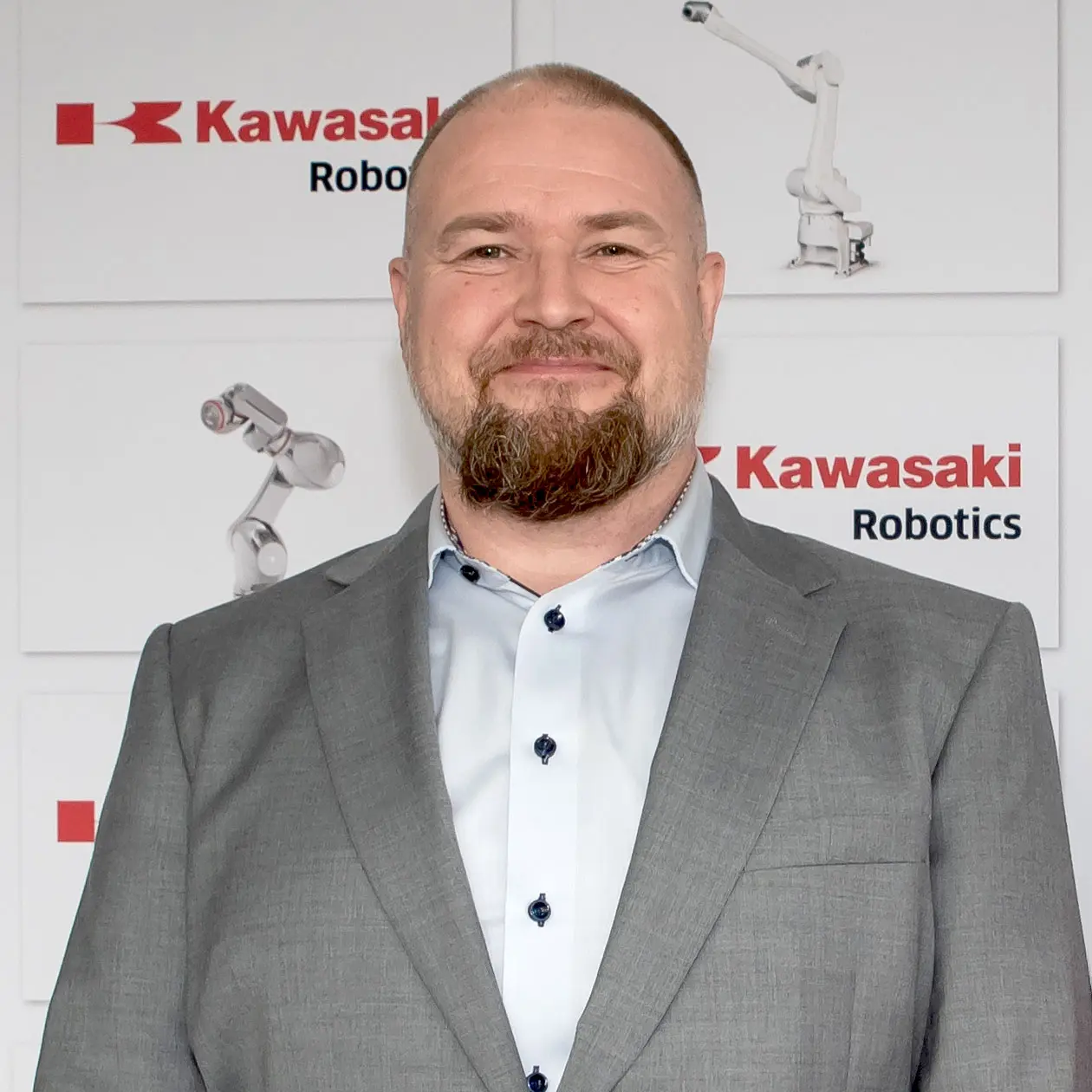
Matti Muikku (pictured) has worked at Orfer for 20 years. Having started as a project engineer, he knows the company’s processes inside out, which was a clear advantage in leading the project internally. Close collaboration with SprintIT helped Orfer’s team quickly learn how Odoo works. They now also understand exactly what goes on under the hood.
How did Odoo improve invoicing and profitability?
The most tangible results were achieved in invoicing and margin tracking:
- Invoicing time cut from 3 days to 3 hours: In the old system, invoicing service contracts was labour-intensive, complex and prone to errors. It took the service manager up to three days each month. Now the same work takes around three hours, and the process no longer depends on a single person.
- Immediate invoicing improves cash flow: Previously, invoices were left until the very end of the month. Now, invoices are sent to customers through the Netvisor integration as soon as the work is completed.
- Better margin tracking: An analytical accounting structure was set up in Odoo to meet Orfer Services’ needs. Costs are now allocated to individual jobs, making it possible to track margins for each job and profitability for each customer.
Close collaboration and a little dark humour
Throughout the project, SprintIT and Orfer Services worked closely together on the same side of the table. Despite the tight schedule, the team kept its sense of humour.
I can recommend SprintIT to others – and I already have.
Looking back, Matti would have narrowed the scope of the first phase even further. There simply wasn’t enough time to implement everything that had been planned, so the Field Service module, for example, was left for a later phase. The priority was to make sure the essential business functions were up and running.
Since the implementation, the collaboration has continued through agile, ongoing development. As Matti puts it, “We’ve also done a bit of poking around in the test environment,” exploring new modules and gathering ideas for future development.
Tips for a successful ERP project from the customer’s project lead
Matti Muikku shares his two key tips for anyone starting an ERP project on a tight schedule:
- Agree on terminology from the start: Your system provider speaks fluent Odoo, while your own team speaks the language of your old system. Make sure both sides mean exactly the same thing when using the same terms, right from the beginning.
- Be bold about narrowing the scope of the first phase: Start with a working minimum viable product (MVP) that covers the most critical functions. Odoo is easy to expand later once the foundations are in place.